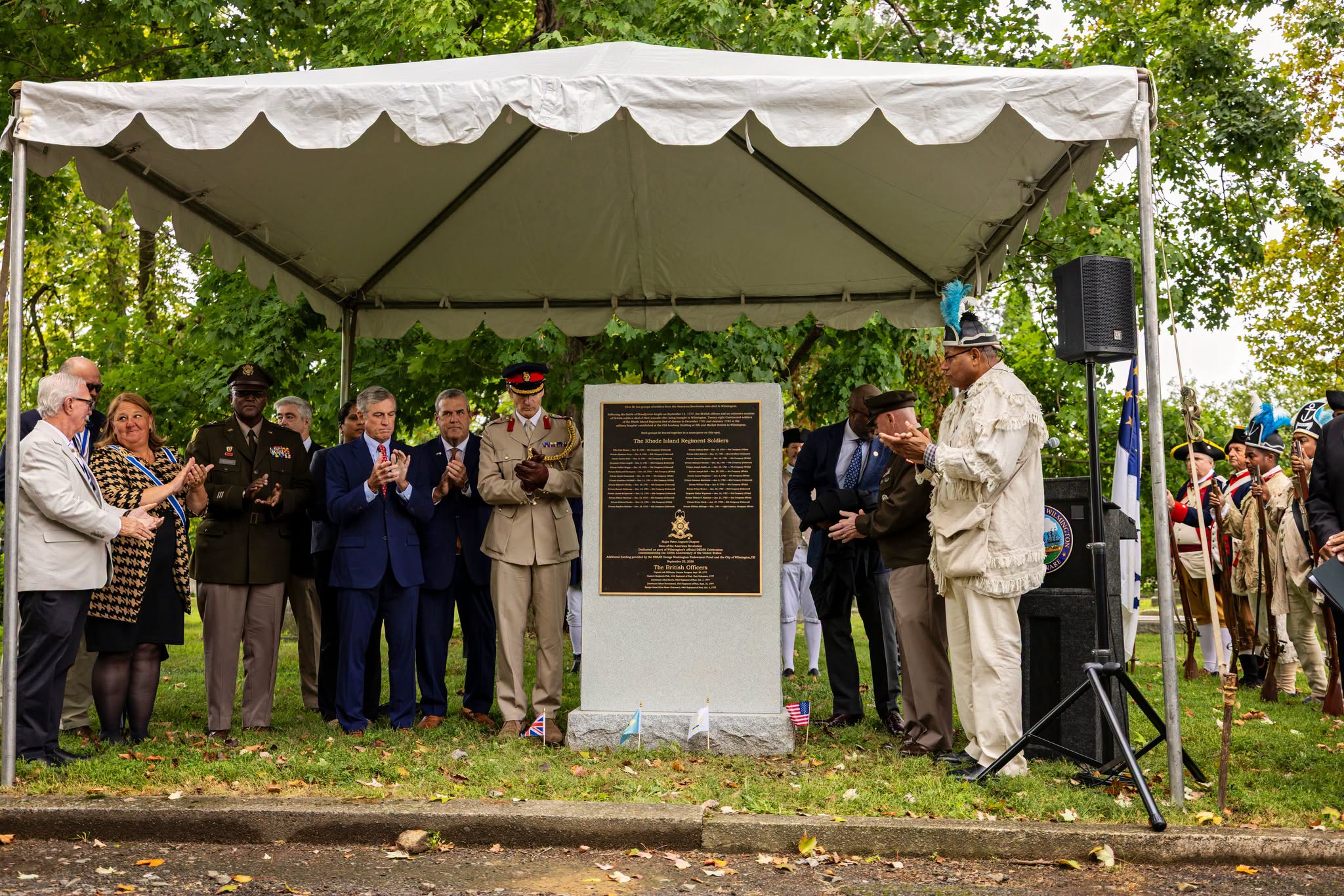

The Rhode Island Regiment
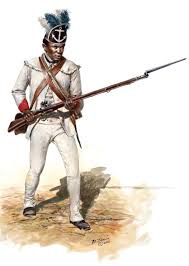
The Rhode Island Regiment occupies a unique place in the Revolutionary War History of Delaware because 28 of its members - 14 white and 14 African American - are buried in a mass grave in the Wilmington and Brandywine Cemetery in Wilmington, Delaware along with 5 British Officers.
A Brief History of the Rhode Island Regiment
The Rhode Island Continental Line units began as an "Anny of Observation" in 1775, under state control, but after the expiration of their term in December, they were reenlisted under the command and pay of the Continental Congress. These are the regiments that did most of the fighting. When you hear a particular "1st" or "2nd" regiment mentioned, this is probably what is being discussed. The 2nd Regiment was merged with the 1st in 1781.
The Service of these regiments:
- May 1775 - Commissioned as Army of Observation by RI. General Assembly, under the leadership of Brig. Gen. Nathanael Greene.
- May 1775 - Served in march to Prospect Hill in Boston
- June 1775 - Enlistments expired; reformed under continental service. Dec. 1775. Church's Third Regiment disbanded.
- April 1776 - Marched to Long Island
- August 1776 - Greene promoted to Major General; went to serve mostly in southern campaigns. Replaced by Brig. Gen. James M Varnum.
- Sept. 1776 - Brigaded with the other two RI regiments under Richmond and Lippitt
- Winter 1776-7 At Morristown, N.J.
- Sept. 1777 - Fought at Brandywine
- Oct. 1777 - Fought at Germantown and Fort Mercer / Red Bank
- Nov. 1777 - Fought at Fort Mifflin
- Dec. 1777 to Jun 1778 - At Valley Forge
- June 1778 - Fought at Monmouth
- 1778 - Varnum's brigade under command of Maj. Gen. John Sullivan, in Rhode Island campaign. Winter 1778-9 Camped for winter at Warren, R.I.
- 1779 - Both regiments were in Rhode Island, in camp at Barber's Heights, North Kingstown. After the retirement of Varnum, brigade under command of Brig. Gen. John Stark, with Maj. Gen. Horatio Gates
- Oct. 1779 Transferred to Morristown, N.J.
- Sept. 1780 Transfered to West Point, N. Y.
- January 1781 Two regiments merged.
- August 1781 Rhode Island continental regiment participated in crucial victory at Yorktown, Va. Capt. Stephen Olney's company distinguished itself. After surrender of British Gen Cornwallis, fighting was virtually over.
Brigade Records:
- MSS 9001-V J.M Varnum Papers. Includes orderly book, R.l., 5/2011778 - 2/1211779 MSS 743 John Sullivan Papers (.25 !in.ft.):
- Orderly books, 5/211778- 12116/1778; 6/1/1778- 8/25/1778 8/1111778 - 8/16/1778; 10/31/1778 - 4/30//779; 2/111779- 7112/1779
- MSS 464 Nathanael Greene Papers: Orderly book, Boston, 7131 - 9/30/1775, and correspondence. See published papers.
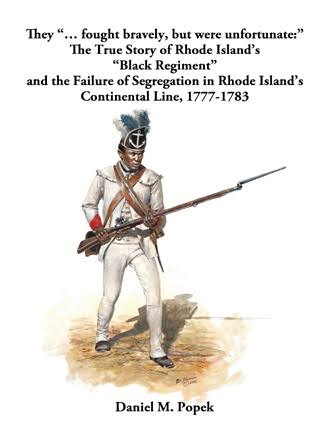
For a more detailed, comprehensive history of the Rhode Island Regiment, please click on the link below to purchase a copy of Daniel Popek's 970 page book, "They “… Fought Bravely, but Were Unfortunate:”: The True Story of Rhode Island’s “Black Regiment” and the Failure of Segregation in Rhode Island’s Continental Line, 1777-1783.
How did the Rhode Island Regiment Soldiers and British Officers End Up in the Same Mass Grave?
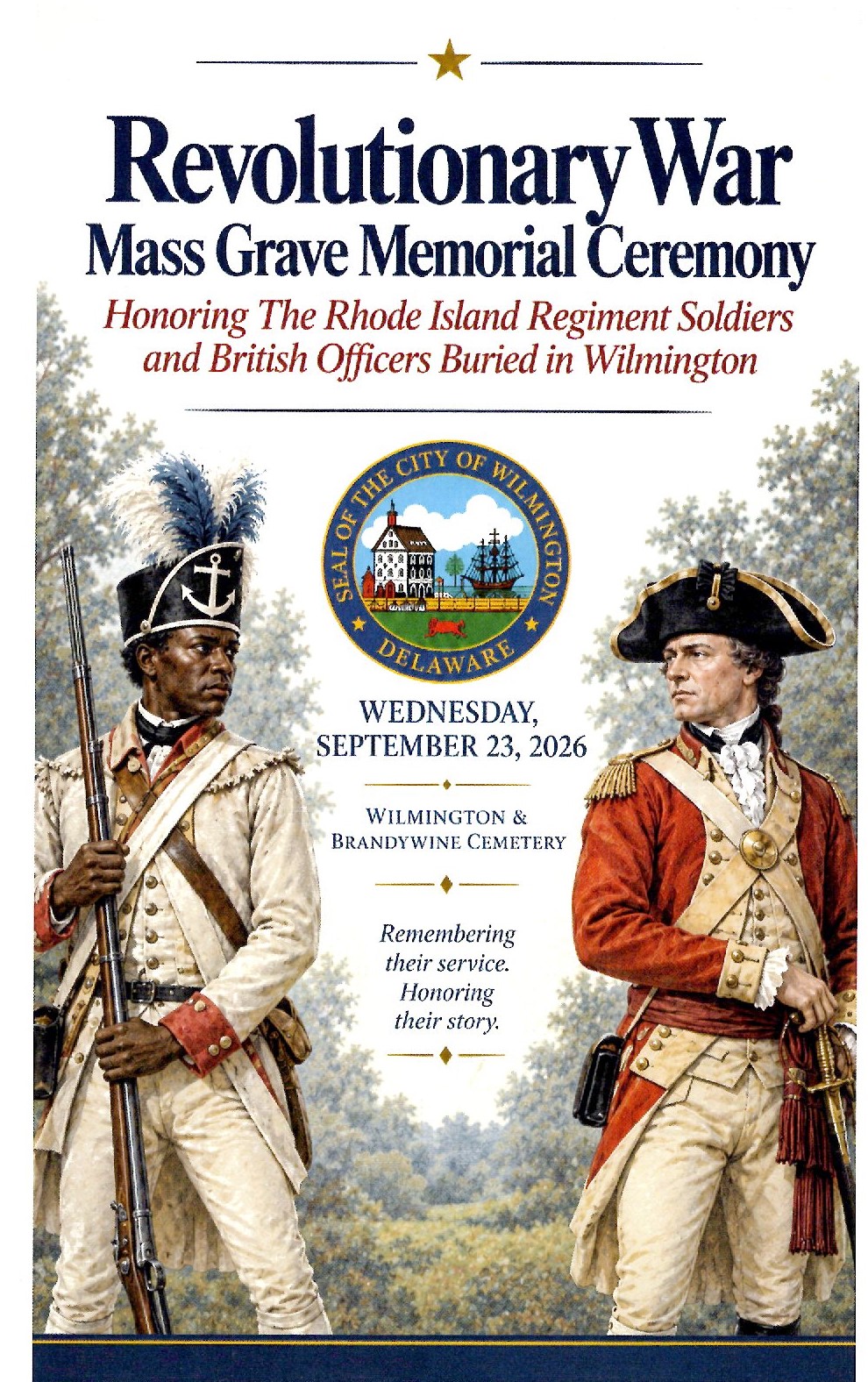
A Concise Timeline for the British and American Burials at the Wilmington and Brandywine Cemetery
- September 11, 1777 – The Battle of Brandywine
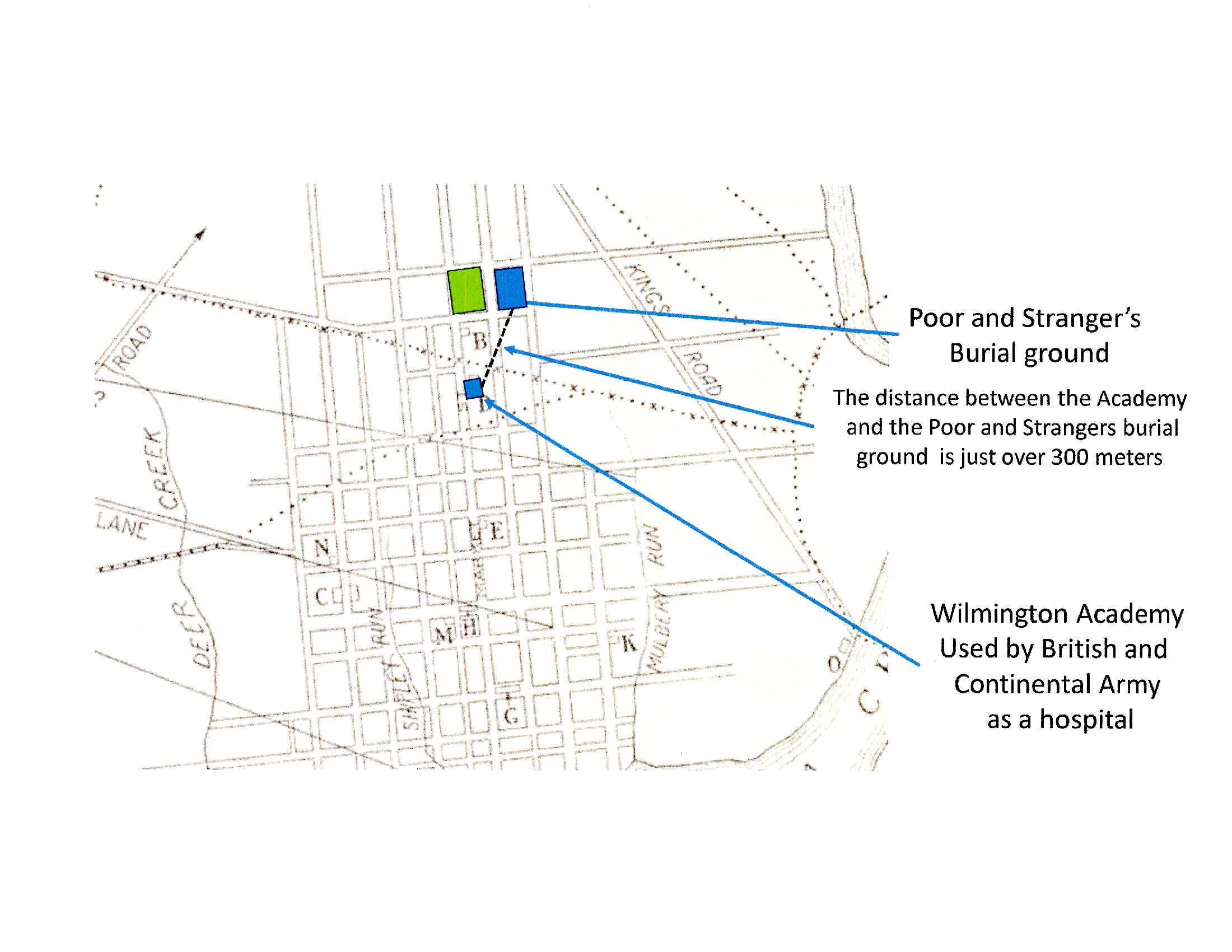
- September 13, 1777 – After the Battle of Brandywine, the British occupy Wilmington and transport 112 wagons of wounded to Wilmington. While almost every available house in the city was used as a hospital, the primary hospital was the former Wilmington Academy, located on the site of the current Grand Opera House.
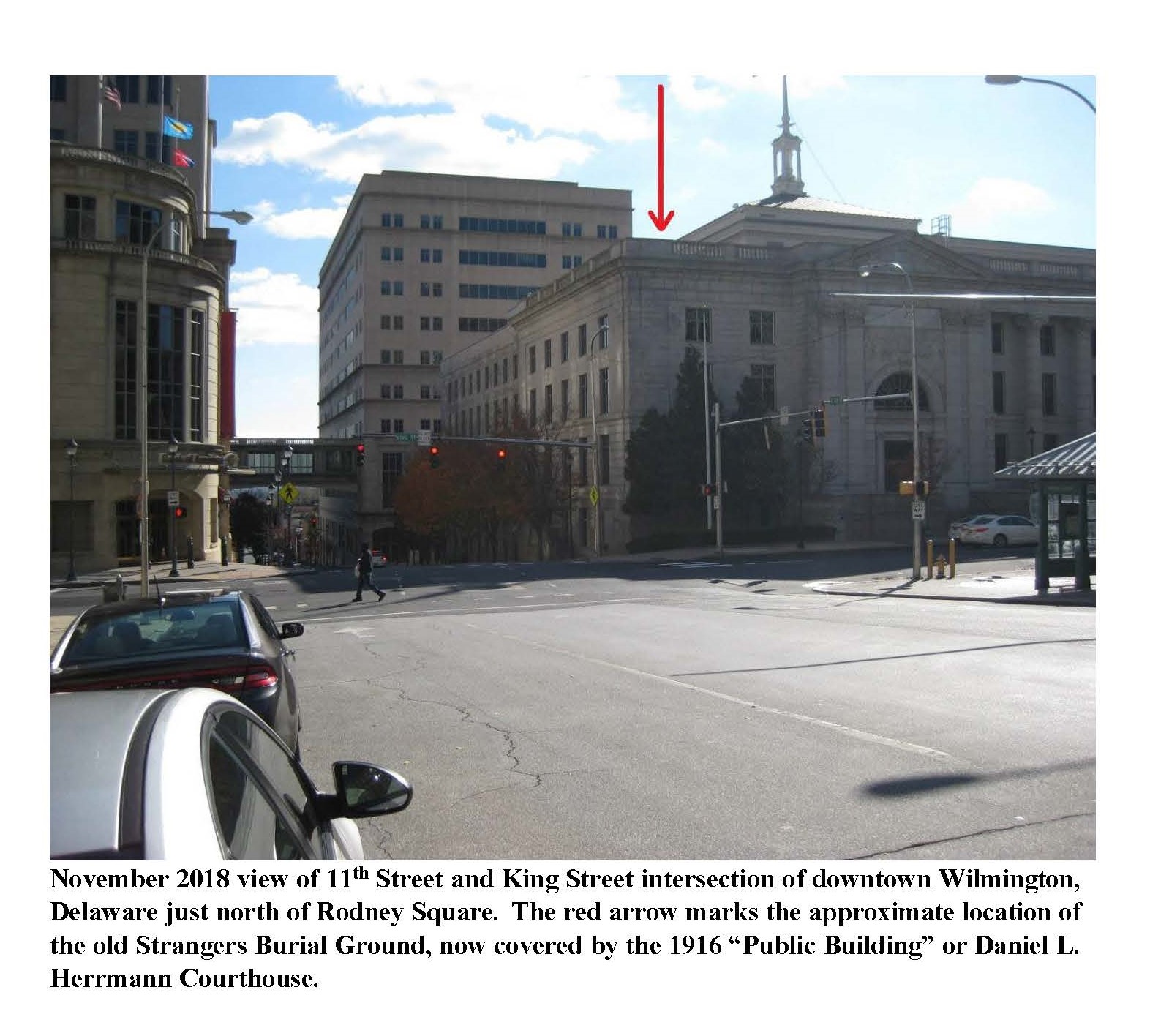
- September 1777 – October 1777 – The British buried their dead in the Poor and Strangers Burial ground, a short distance from the Wilmington Academy. That location is now known as the "Public Building", or Daniel L. Herrmann Courthouse.
- September 28 – October 19, 1781 – The Battle of Yorktown.
- After the Battle - In the aftermath of the Battle, while George Washington's inoculated Continental Army remained largely protected, Smallpox severely affected the displaced, unimmunized Black civilians, refugees, and soldiers, including members of the 1st Rhode Island Regiment
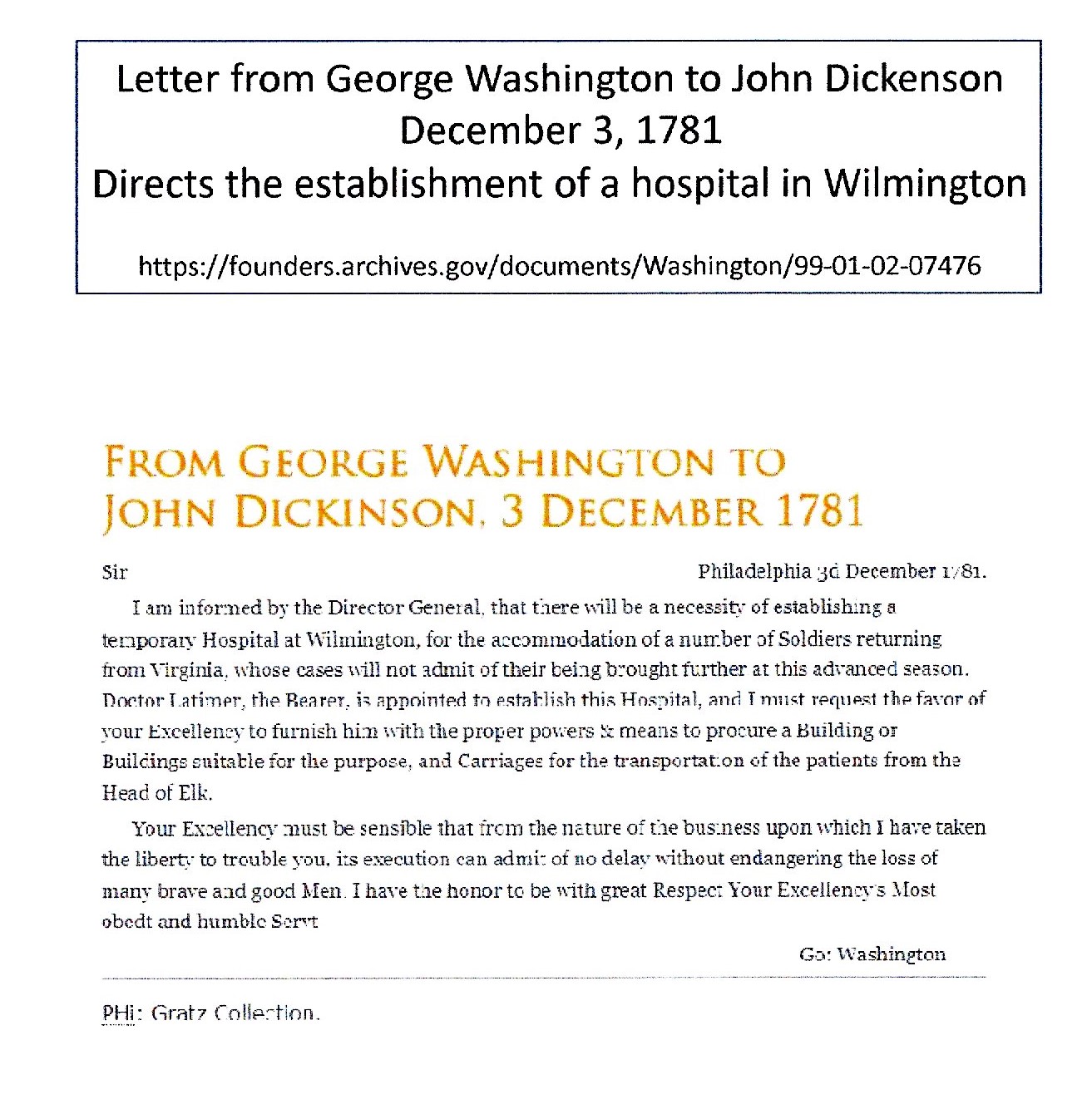
- December 3, 1781 – George Washington writes a letter to John Dickinson, then President (Governor) of Delaware instructing him to establish a hospital in Wilmington to care for the soldiers suffering from smallpox. He further directs that Dr. Henry Latimer oversees the hospital and the care of the sick soldiers. Once again, the Wilmington Academy is designated as a hospital, this time for the Continental Army.
- December 8, 1781 – January 27, 1782 – 28 members of the Rhode Island Regiment die from smallpox and are buried are buried in the same Poor and Stranger’s Burial ground.
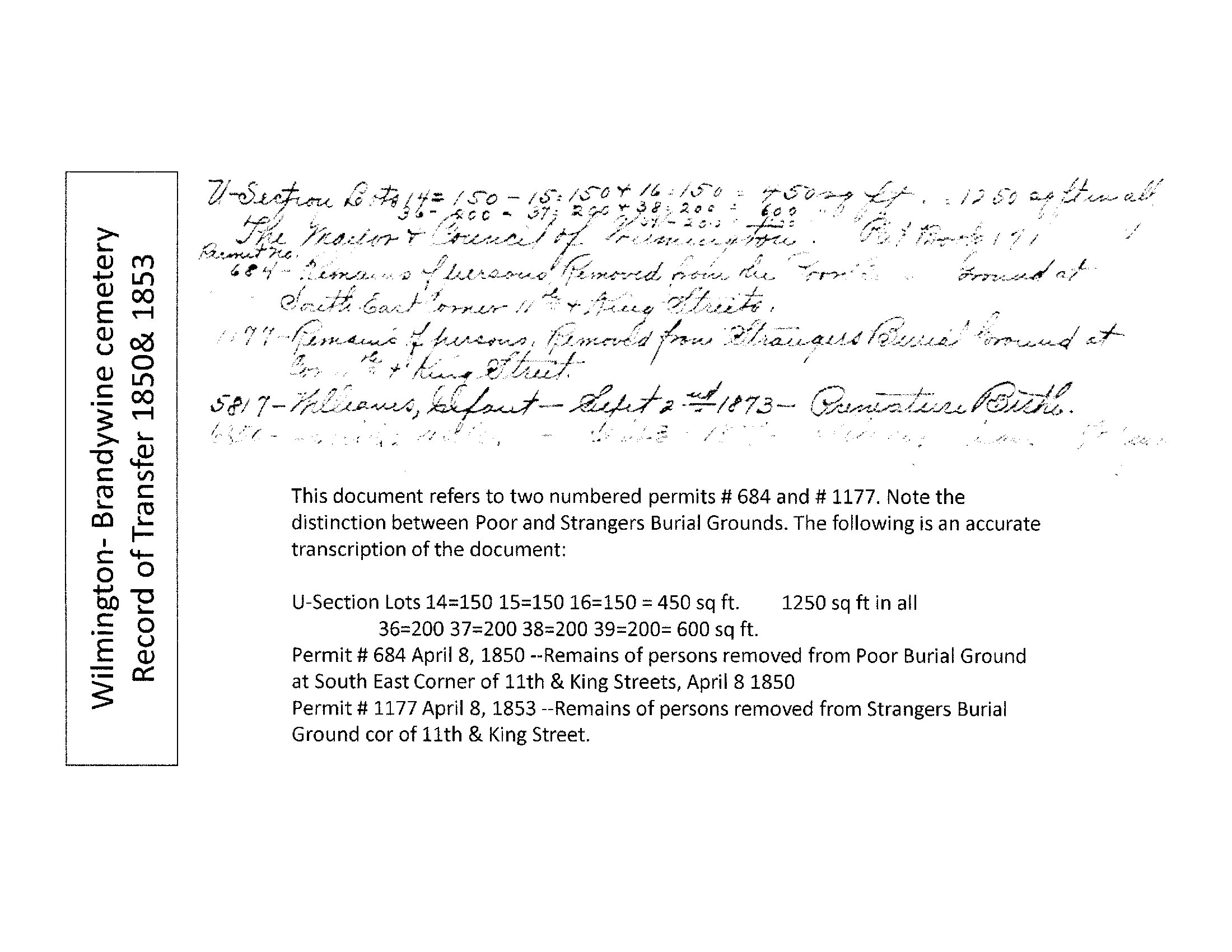
- 1850 – 1853 – As the city of Wilmington grew it needed the ground that was occupied by the Poor and Stranger’s Burial Ground. During this time period a number of disinterment’s took place, relocating the remains of the Rhode Island Regiment Soldiers and the British Officers from the Poor and Stranger’s Burial Ground to the Wilmington and Brandywine Cemetery.
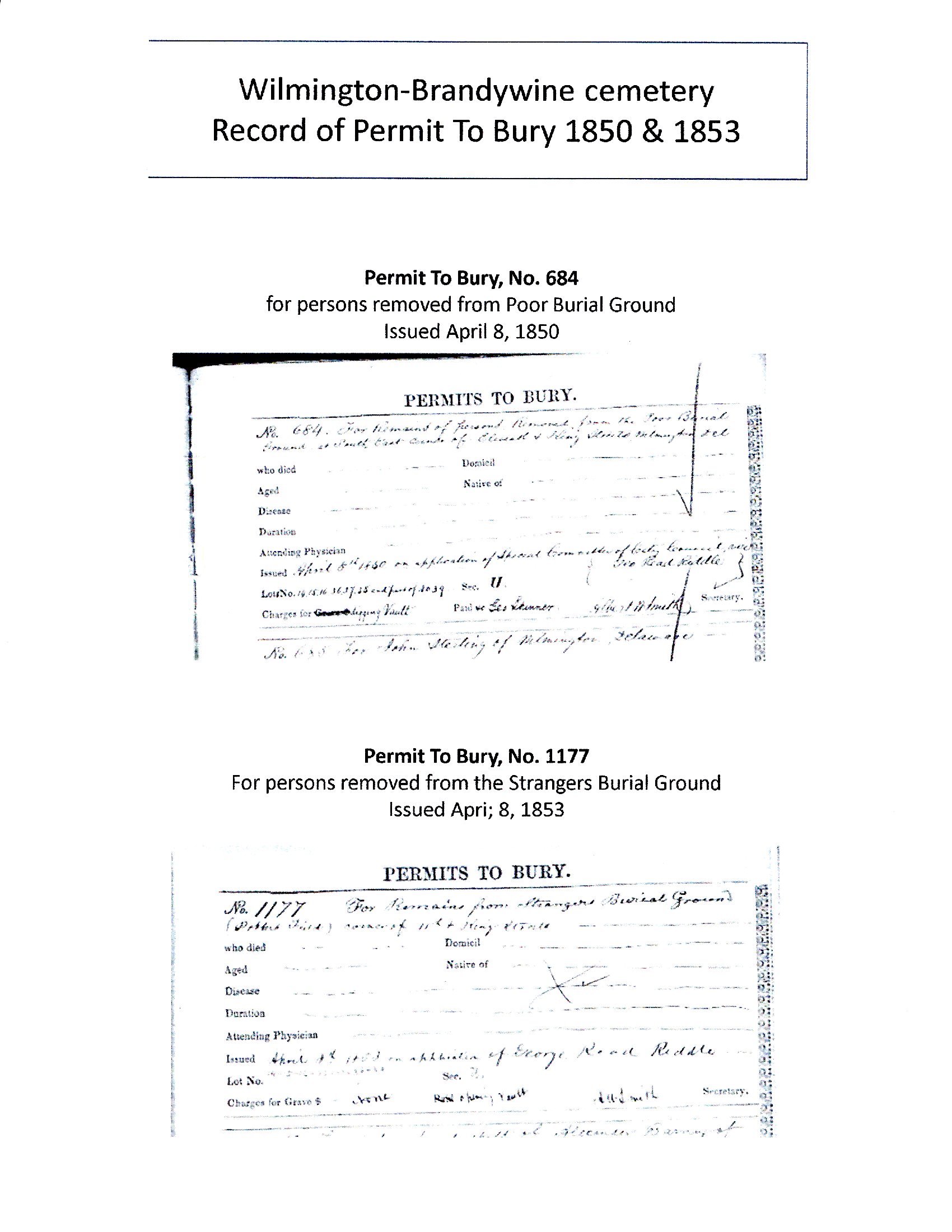
- September 23, 2026 – A solemn ceremony was conducted in the Wilmington and Brandywine Cemetery to dedicate a memorial to the 28 Rhode Island soldiers and the 5 British Officers buried together in a mass grave in the Wilmington and Brandywine cemetery in Wilmington, DE