
Revolutionary War Locations in Delaware
The State of Delaware, and Wilmington in particular, figured prominently in the Revolutionary War and several sites - like the Hale-Byrnes House - are still around today. On this page we introduce you to some of the Delaware sites that have connections to the Revolutionary War.
The Wilmington Brandywine Cemetery
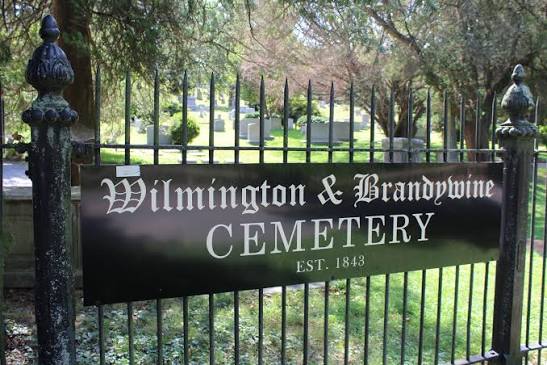
The Wilmington Brandywine Cemetery, located at 701 Delaware Ave, Wilmington, DE 19801, is the final resting place for 2 large groups of Revolutionary Patriots:
- 44 Delawareans, including:
- Gunning Bedford, Jr., a Signer of the U.S. Constitution and Attorney General of Delaware
- Richard Bassett: Framer of the Constitution and Governor of Delaware
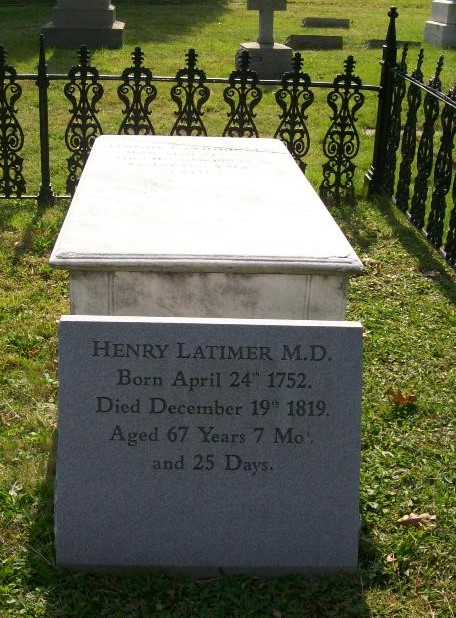
- Henry Lattimer: U.S. Senator and physician known for treating the members of the Rhode Island Regiment for smallpox in late 1781 and early 1782 when they were transferred to Wilmington, Delaware after the Battle of Yorktown
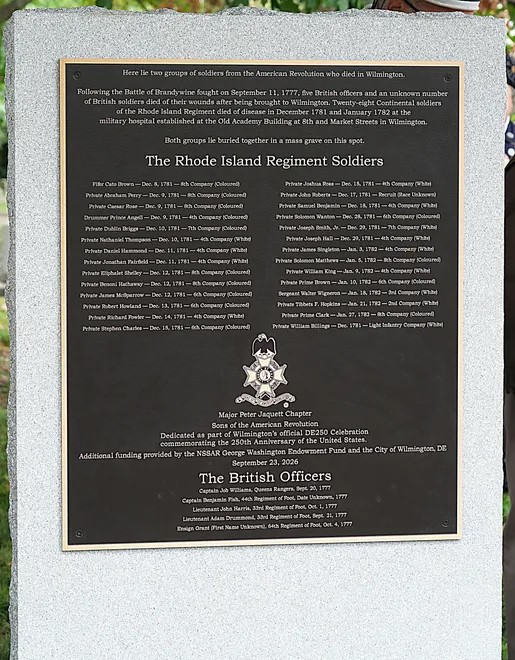
- 28 Revolutionary War Soldiers from the 1st Rhode Island Regiment buried in a mass grave along with 5 British Officers.
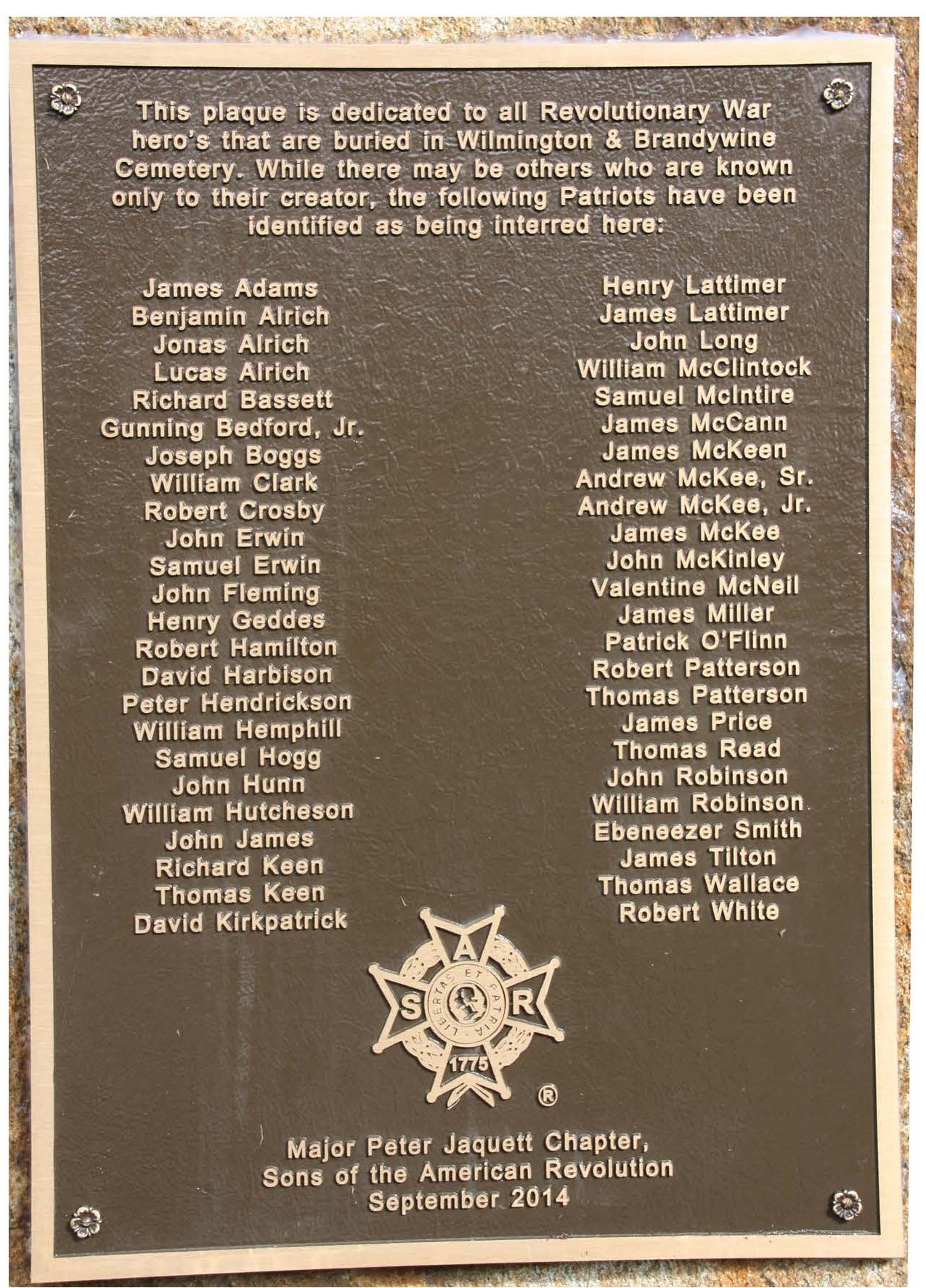
The plaque on the left above was dedicated to the 44 Delawareans by the members of the Major Peter Jaquett Chapter on October 25, 2015.
The tomb and headstone in the middle is for Dr. Henry Latimer, a local physician who treated the members of the Rhode Island regiment while they were hospitalized in Wilmington in late 1781 and early 1782.
During the American Revolutionary War between the years 1777 and 1782, two groups of soldiers - one British and one American - died and were buried at different times in Wilmington. The plaque and monument on the right above was dedicated to the 28 members of the Rhode Island Regiment - 14 white and 14 African Americans - as well as the 5 British officers buried with them in a mass grave, on September 23, 2026.
To read more about the soldiers of the Rhode Island Regiment as well as the British Officers buried with them in the mass grave in the Wilmington & Brandywine Cemetery, please click on the link below to visit our Rhode Island Regiment page.
The Battle of Cooch's Bridge and the Cooch's Bridge Historic Site
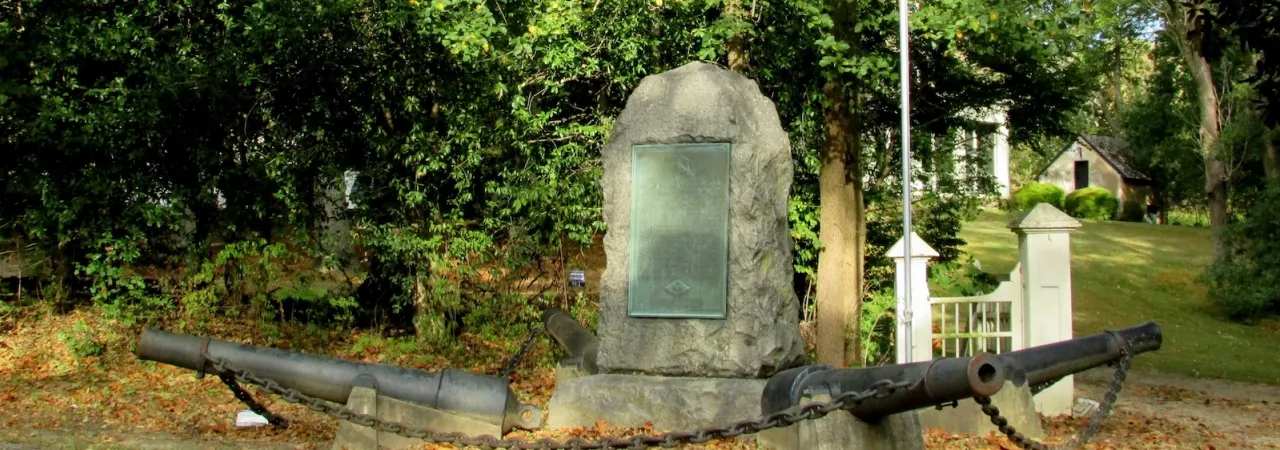
The Battle of Cooch’s Bridge, also known as the Battle of Iron Hill, was the only Revolutionary War battle fought in the state of Delaware. A British army, led by General Sir William Howe, landed in Maryland intent on capturing Philadelphia. Their route of march took them through Delaware. General George Washington dispatched the newly-created Corps of Light Infantry, led by General William Maxwell, to contest the British advance outside Wilmington. General Maxwell, whose unit had been formed just a few days earlier, positioned his men along the main road to Wilmington where it crossed Christina Creek. On September 3, 1777, a company of the American light infantry met a group of dragoons led by Captain Johann Ewald, who summoned reinforcements. The Americans conducted a fighting retreat against German jaegers (light infantry) onto Iron Hill, where they were attacked by German and British troops. The fighting lasted for several hours, but eventually the Americans, running low on ammunition, were forced to retreat over Cooch’s Bridge across the creek and fall back towards the main body of the Continental Army. Eight days later, the two armies collided in the Battle of Brandywine.
American Battlefield Trust
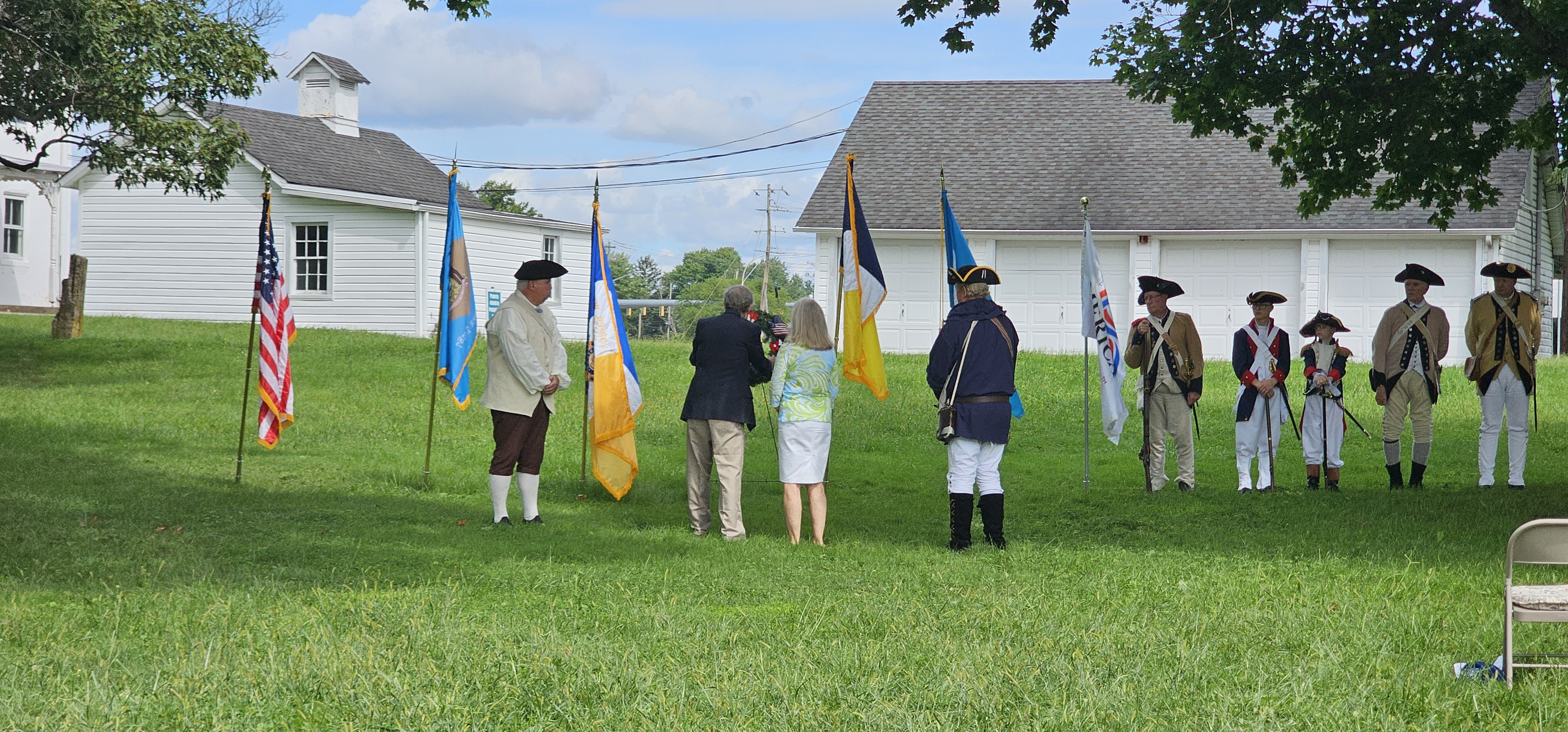
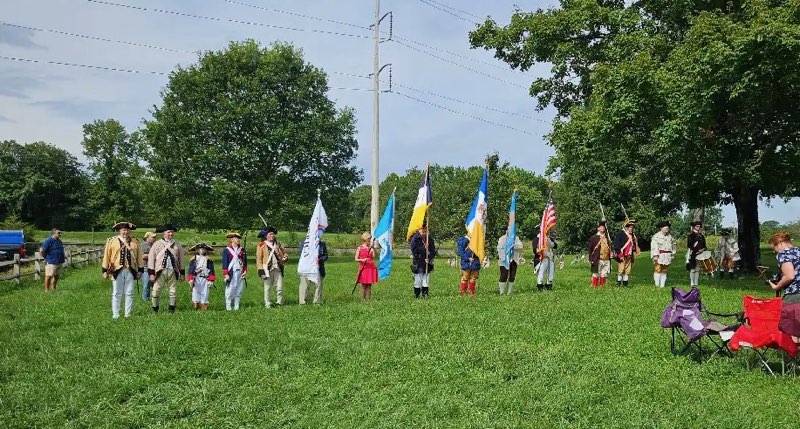
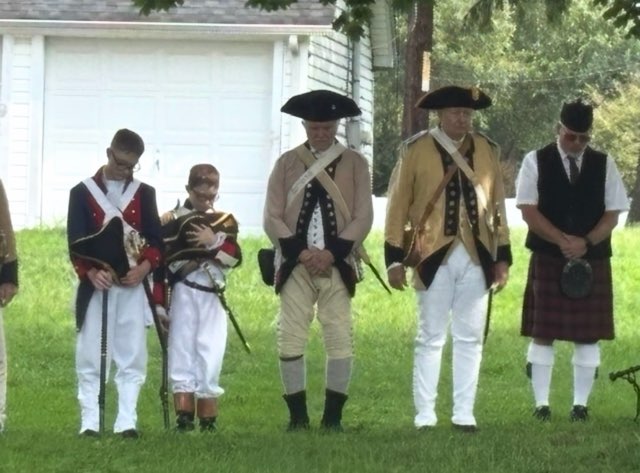
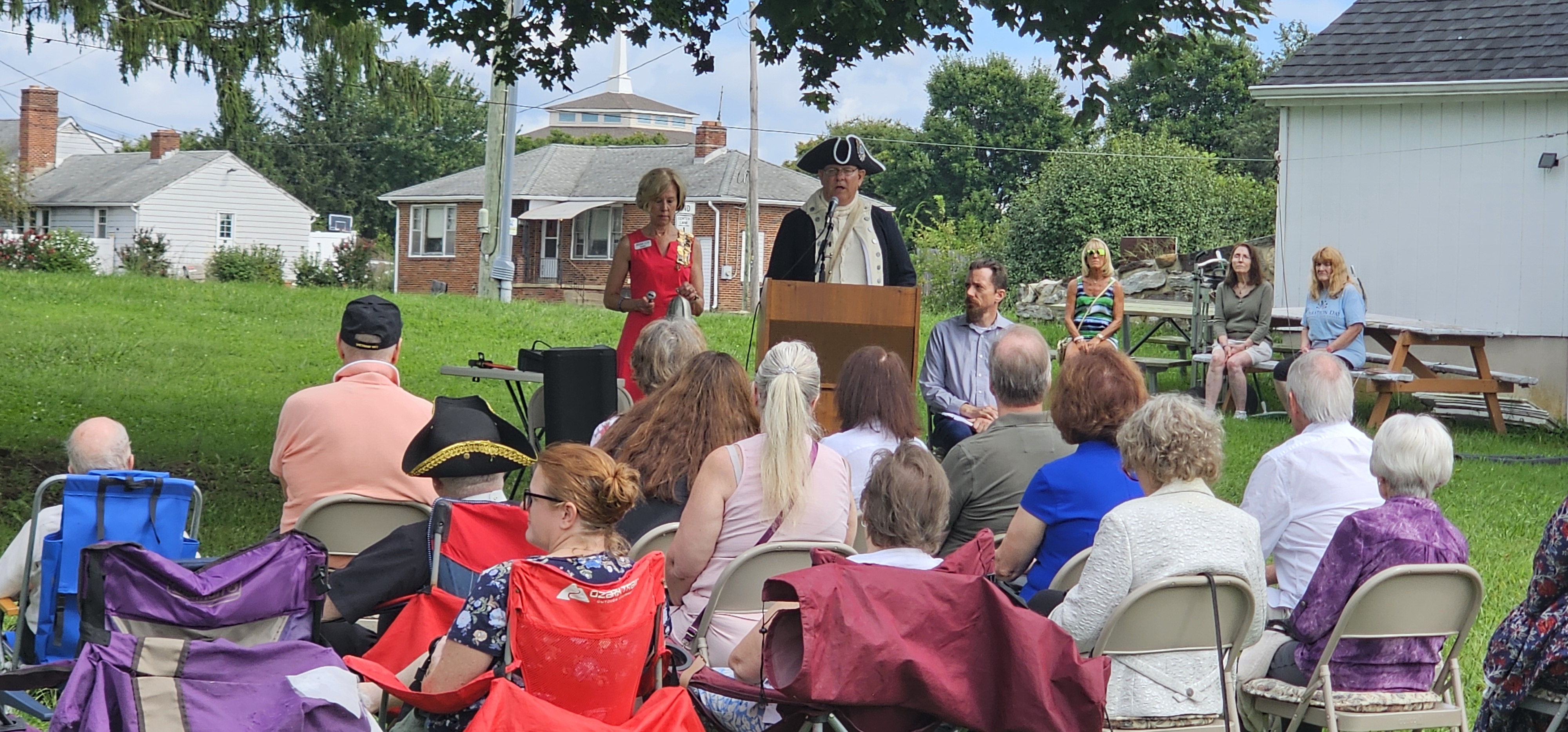
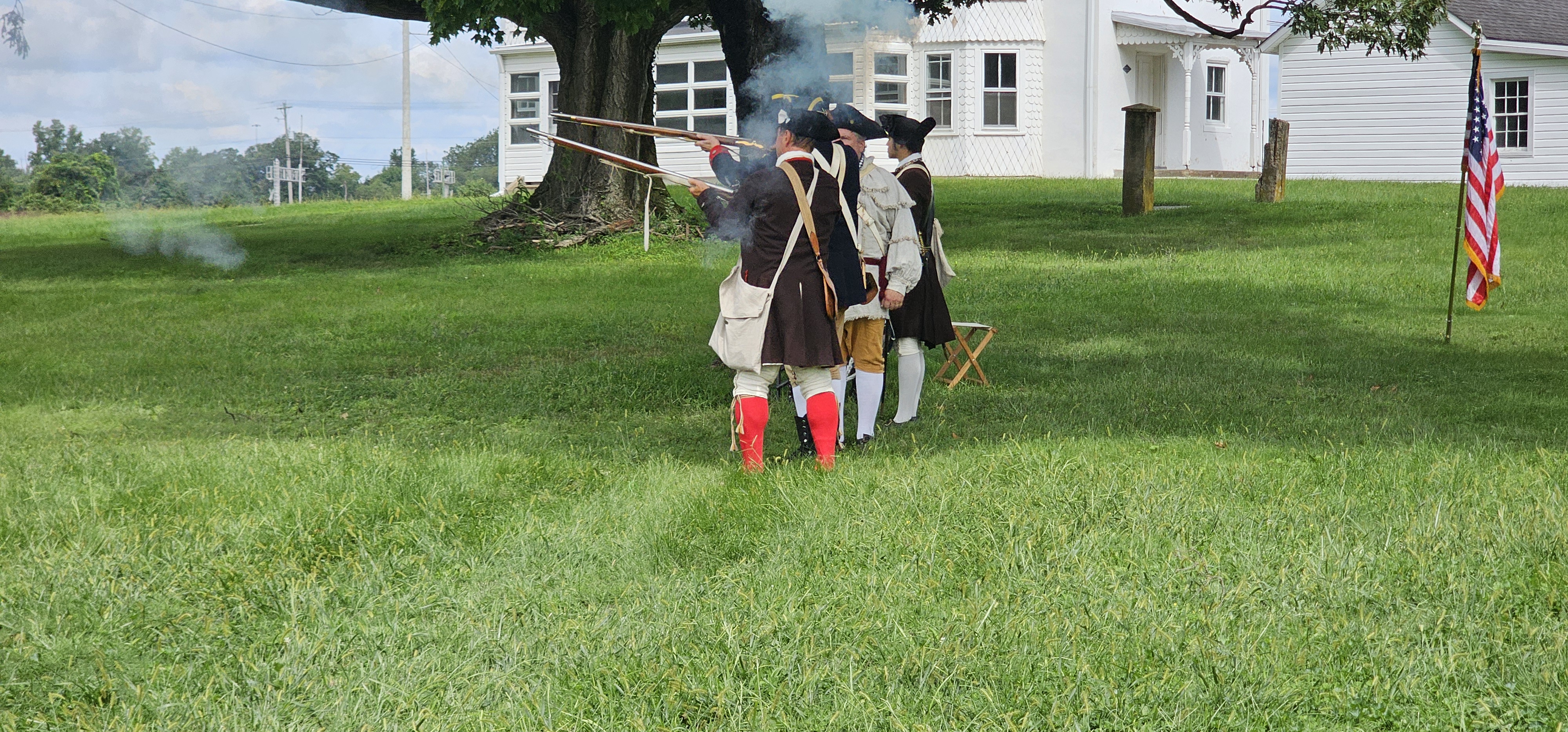
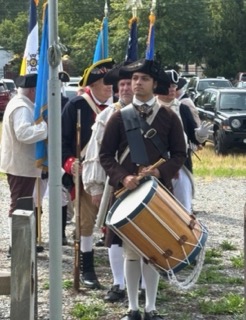
Every year on the Saturday closest to the date of the Battle, the Pencader Heritage Museum, the SAR, the DAR, and Delaware Historical and Cultural Affairs commemorate the battle as well as the 25 Patriots killed in the Battle. Below are pictures from the commemoration of the 249th anniversary of the Battle, celebrated on Saturday, September 5, 2026
The Hale Byrnes House
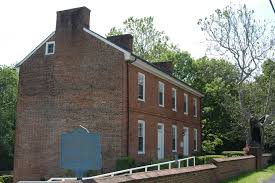
The Hale-Byrnes House is a historic home located at 606 Stanton-Christiana Road, Stanton, New Castle County, Delaware. It was built in 1750, and is a two-story, five bay brick dwelling. The house was built by Samuel Hale, who sold it to Daniel Byrnes in 1754. The house is also the location of the 300-year-old George Washington Witness Tree of Delaware. Today, the Hale-Byrnes House is listed on the National Register of Historic Places and is a key site on the Washington-Rochambeau National Historic Trail.
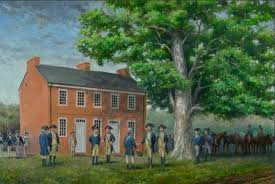
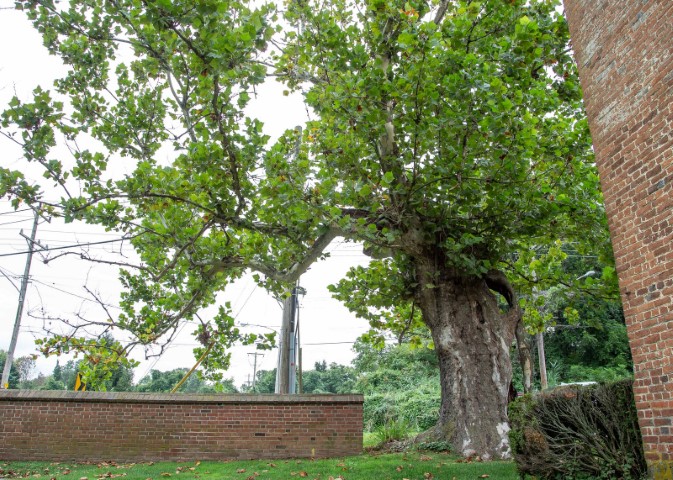
The house gained historic stature after the Battle of Cooch's Bridge, the only Revolutionary War battle fought in Delaware. After the skirmish General George Washington held a council of war at the house on September 6, 1777 with his officers - including (among others) Nathaniel Greene, Alexander Hamilton, Henry Knox, Lafayette, and Anthony Wayne - to plan the defense of Philadelphia. This meeting led directly to the Battle of the Brandywine on September 11, 1777. The meeting was commemorated in a painting called “Prelude to Brandywine,” commissioned by Bryant White, a painter of Revolutionary War-era scenes and a reenactor. The painting is on permanent display in the front room of the Hale-Byrnes House.
The Delcastle Area
Following the Battle of Cooch's Bridge on September 3, 1777 (the only major Revolutionary War battle fought on Delaware soil), General George Washington retreated about 10 miles northeast. He chose the rolling hills along Red Clay Creek to make a definitive defensive stand. From September 4-9, 1777, approximately 11,000 men under the command of General George Washington encamped on the grounds of what later became Delcastle Technical High School. The American army occupied a strong defensive position on the east side of Red Clay Creek between Newport, Stanton, and Marshallton, and blocked the British army’s route to the Red Clay and beyond. Soldiers built earthworks and destroyed bridges to defend the principal road to Philadelphia. In response to the British army’s maneuvers under Sir William Howe, Washington moved his troops to Chadds Ford on September 9, setting the stage for the Battle of Brandywine.
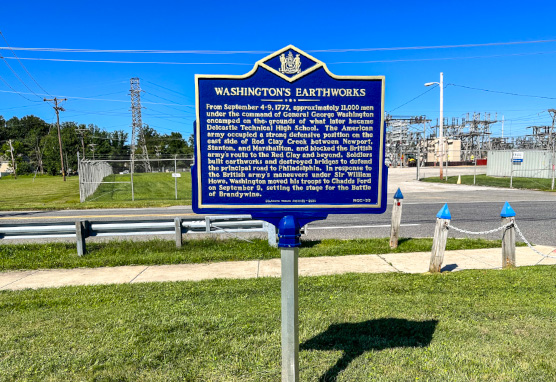
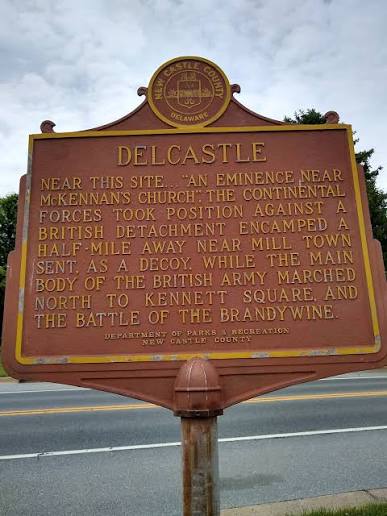
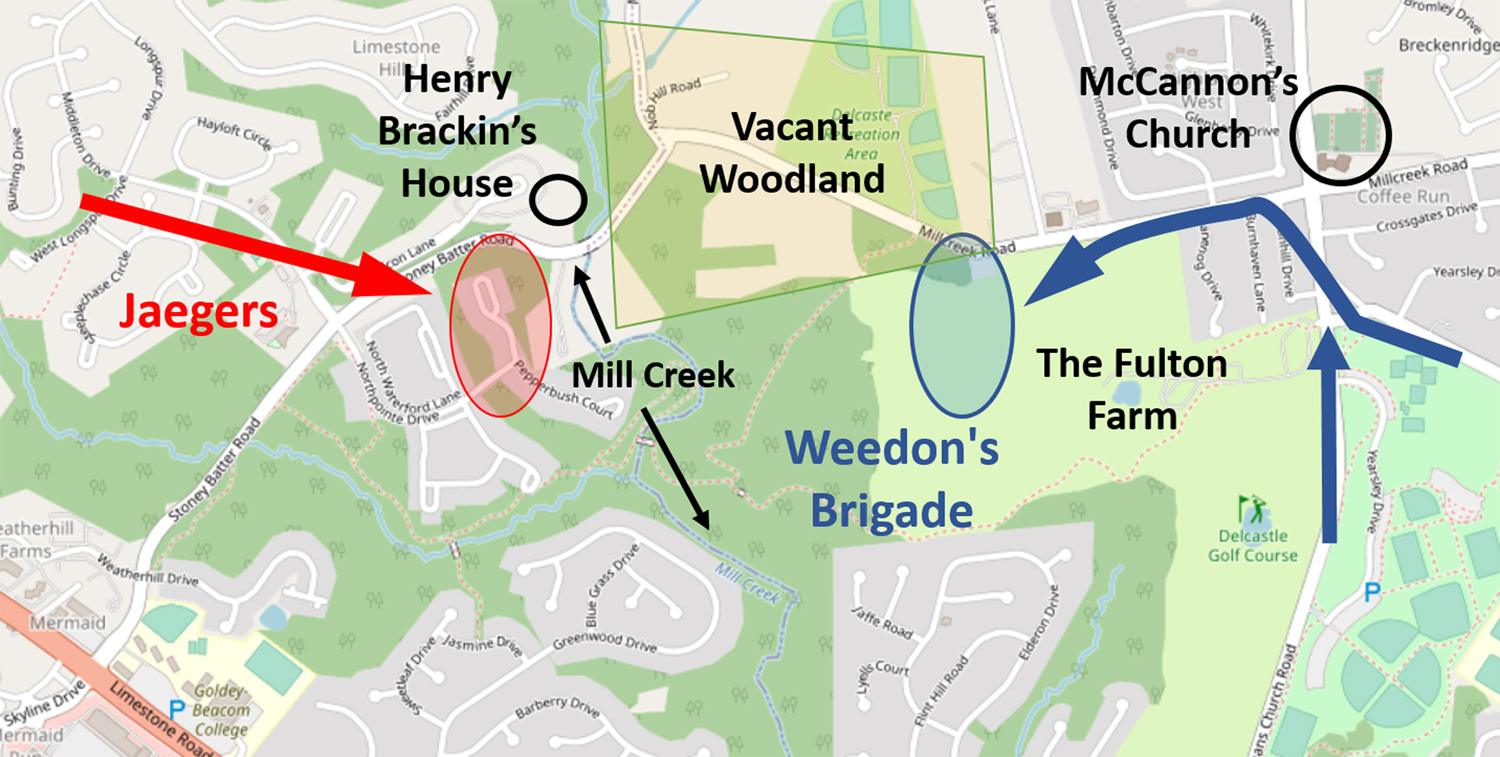
The Battle of Mill Creek (The Delcastle Cannonball) - While historians long considered September 8, 1777, to be a quiet day of maneuvering, recent research has highlighted a brief but violent contact that occurred right at the modern Delcastle Recreation Area. To read more about the battle that almost changed the course of the revolution, please click on the link below the map.
John Dickinson Plantation
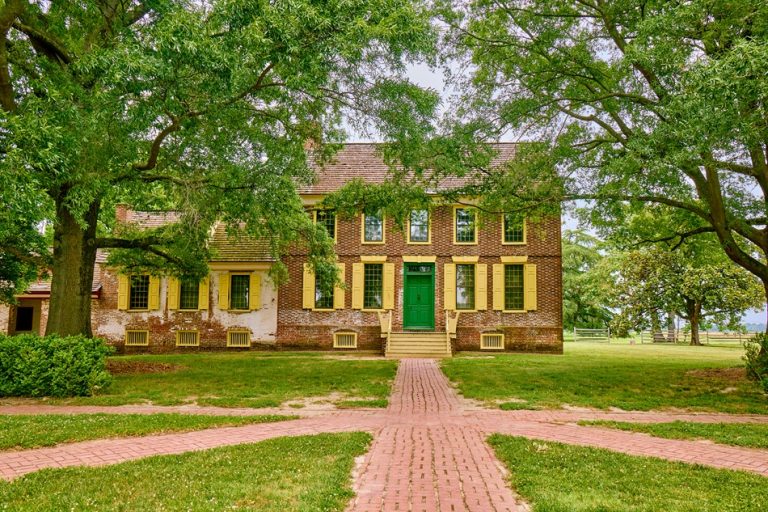
The John Dickinson house was built by Dickinson's father, Samuel Dickinson, in 1740 and remained in the family until the twentieth century when it passed through a series of owners. In 1952 the National Society of Colonial Dames of America in the State of Delaware purchased the Mansion and gave it to the State. In consideration of the work needed to restore the house, members of the Colonial Dames and other concerned individuals organized the Friends to lend continuing support to the restoration effort, and they continue that support and the memory of Dickinson's legacy to this day.
John Dickinson's Grave Site
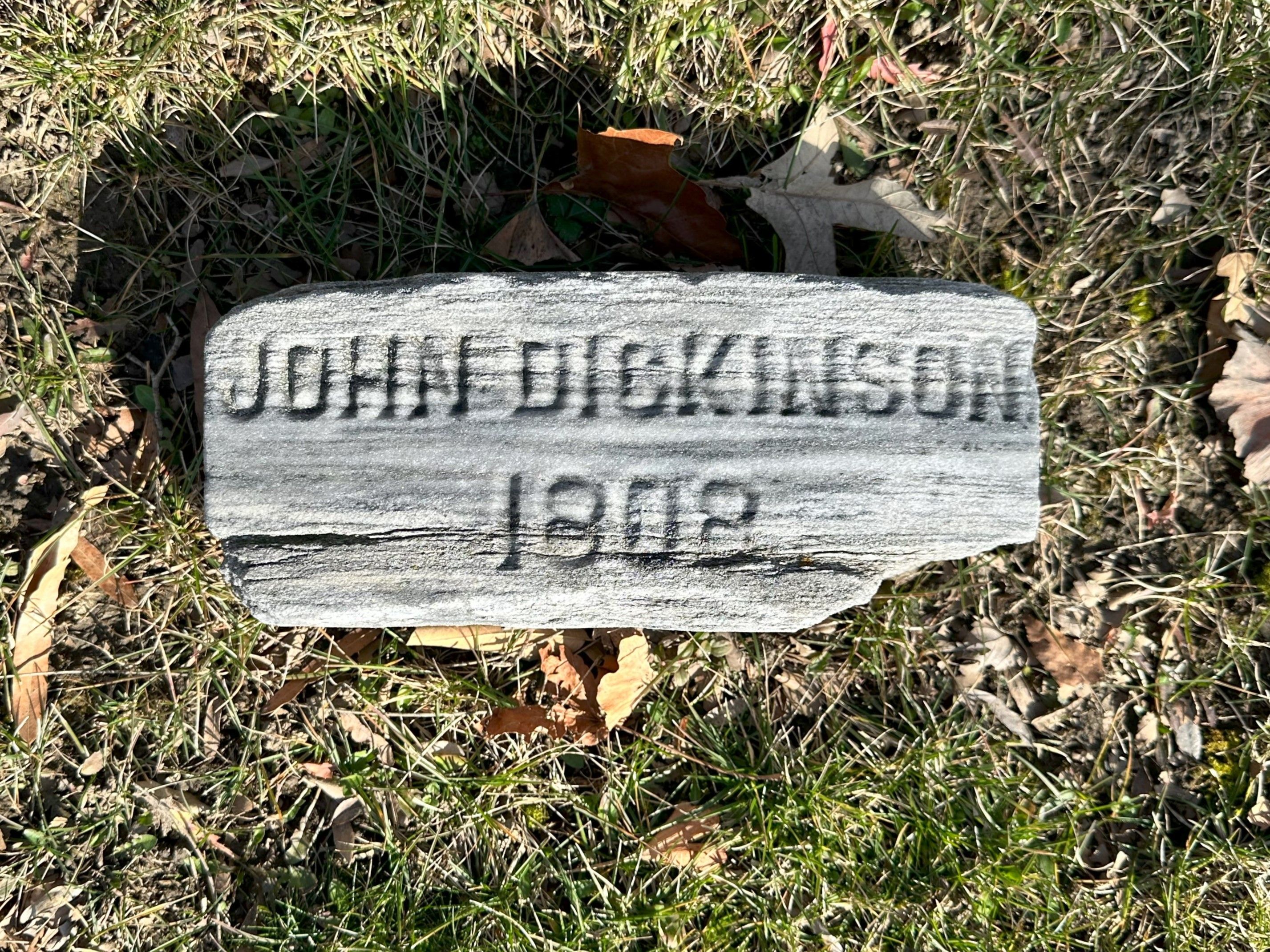
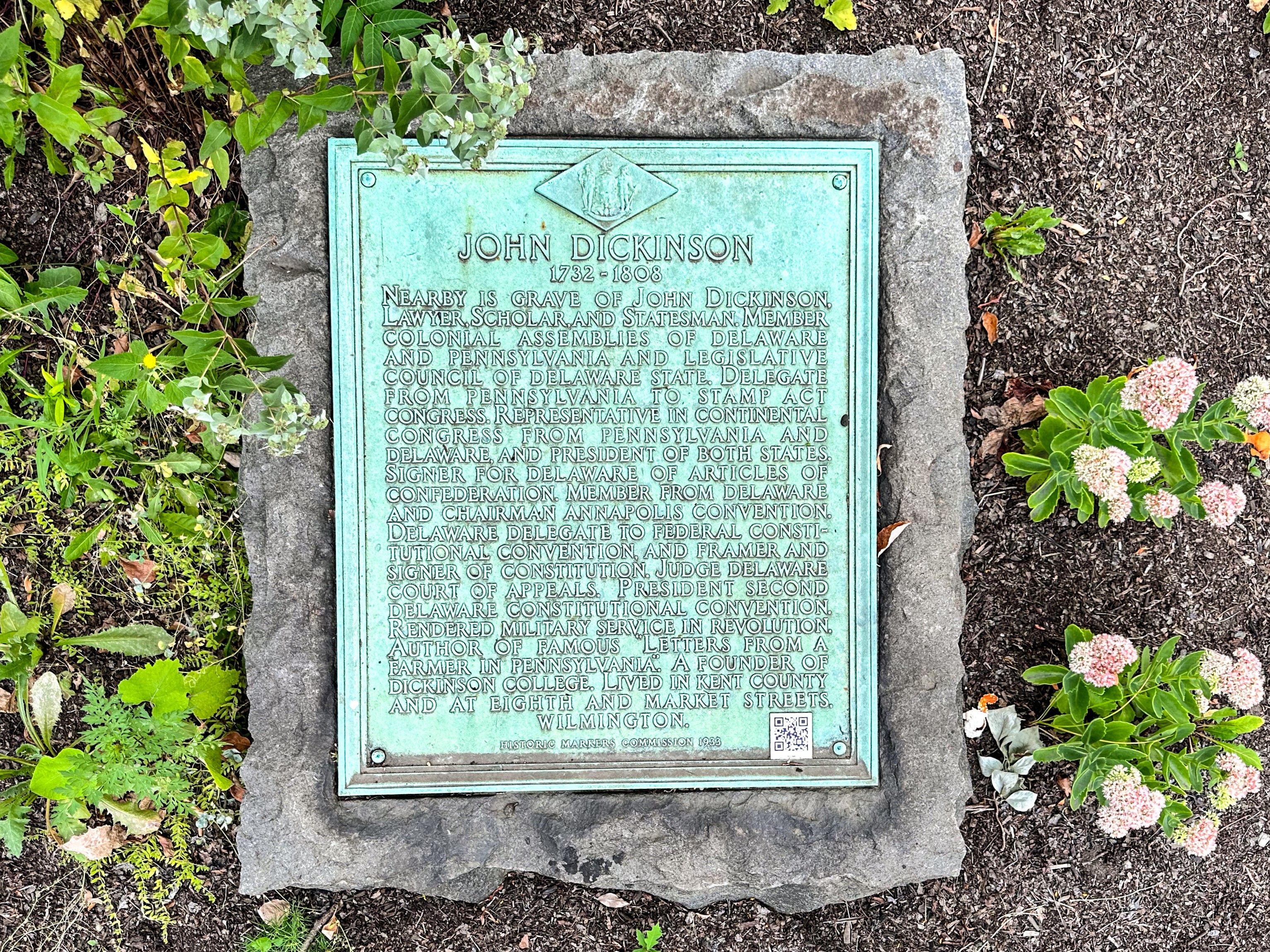
John Dickinson, the "Penman of the Revolution," is buried in the Friends Burial Ground (Quaker Cemetery) at 4th and West Streets in Wilmington, Delaware. He died in 1808 and was laid to rest in a simple, historically designated grave, rather than on his plantation, which is now a public museum located in Dover, DE. For visiting, the Quaker burial ground is often accessible, while his nearby former home in Wilmington (at Eighth and Market Streets) is no longer standing. The Quaker Hill Historic Preservation Foundation conducts a Dickinson Memorial and wreath laying ceremony every year near the anniversary of his death, February 14, 1808.
Quaker Hill
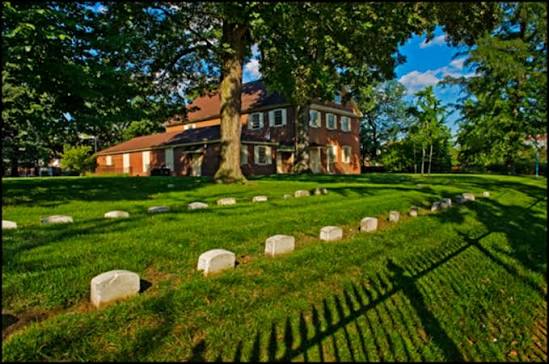
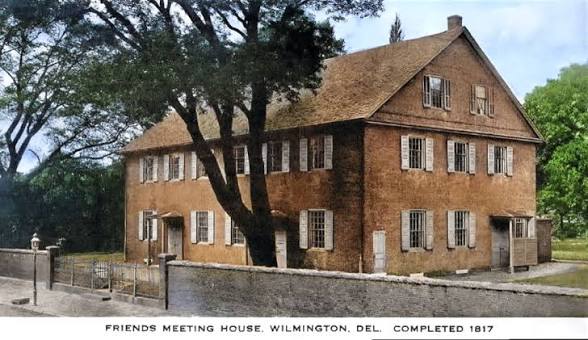
The area known as Quaker Hill is primarily bounded by Tatnall, Jefferson, 2nd, and 7th Streets, and includes landmarks such as the Wilmington Friends Meeting House and cemetery (where John Dickinson is buried) and St. Peter's Cathedral. Following the British landing at Head of Elk, MD, Washington's army, including the 20 year old Lafayette, occupied the high ground of Wilmington to scout enemy movements. Washington is believed to have stayed at 303 West Street, while Lafayette resided nearby at 301 West Street. The house at Quaker Hill that Washington stayed in no longer exists as it was demolished in the 1960's. Visit the "Journal of the American Revolution" page George Washington’s 1777 Wilmington, Delaware, Headquarters: Insights to an Unmarked Site for more information about the Quaker Hill home that served as George Washington's headquarters. In 1978 Quaker Hill was designated a National Register Historic District.
Today this historic area is preserved by the Quaker Hill Historic Preservation Foundation. The Foundation was established in 1992 to aid in the restoration and preservation of the Quaker Hill Historic District in Wilmington, Delaware. The Foundation works towards the appreciation of its history and unique architecture in Wilmington's oldest neighborhood.

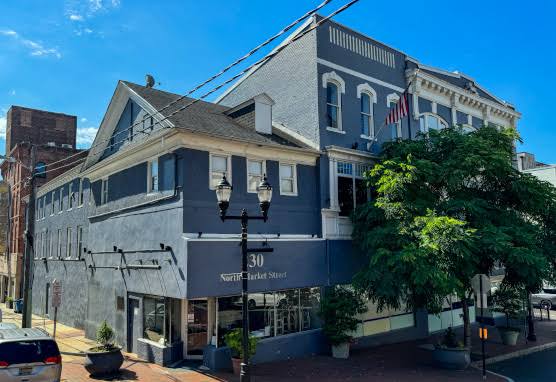
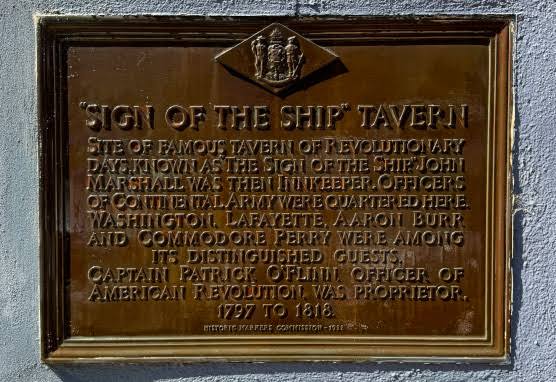
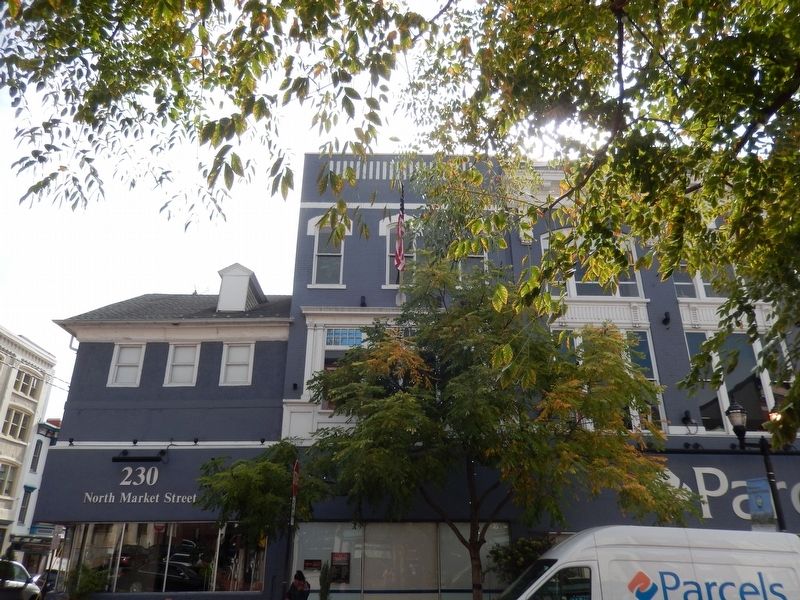
Ships Tavern
Located at 3rd and North Market Streets, this brick building is the last of the thirty or so Wilmington taverns of the eighteenth century. A certain John Marshall ran the Sign of the Ship in Revolutionary days, and American officers had headquarters there. After the war, it was O'Flynn's, and Washington's diaries show that he occupied the “best room” on the second floor whenever (as in 1787) he “lodged at Wil. at O'Flins.” The Ships Tavern hosted George Washington many times during the Revolutionary War as well as during his Presidency. The tavern was located along the King's Highway, a 1,300-mile road laid out from 1650 to 1735 in the American Colonies connecting Charleston to Boston and was a natural stopping point for Washington while traveling from Virginia to Philadelphia. Thomas Jefferson, John Adams, Aaron Burr, and others stayed here, too, and the proprietor feted the Marquis de Lafayette at Old Town Hall in 1824.officers of the Continental Army, including Washington, Lafayette and Aaron Burr, were quartered here in 1777.
Old Swedes Church
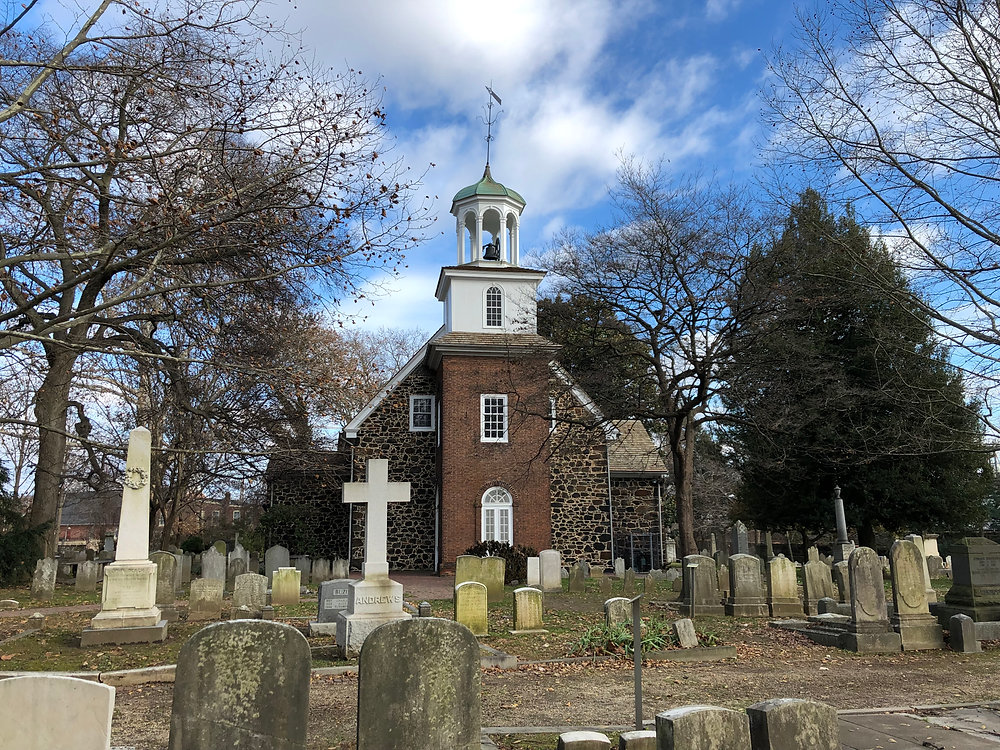
Holy Trinity Church, also known as Old Swedes, is a historic church at East 7th and Church Street in Wilmington, Delaware. It was consecrated on Trinity Sunday, June 4, 1699, by a predominantly Swedish congregation formerly of the colony of New Sweden. The church is among the few surviving public buildings that reflect the Swedish colonial effort. It remains open for tours and religious activities. The church was designated a National Historic Landmark in 1961 and became part of First State National Historical Park in 2013.
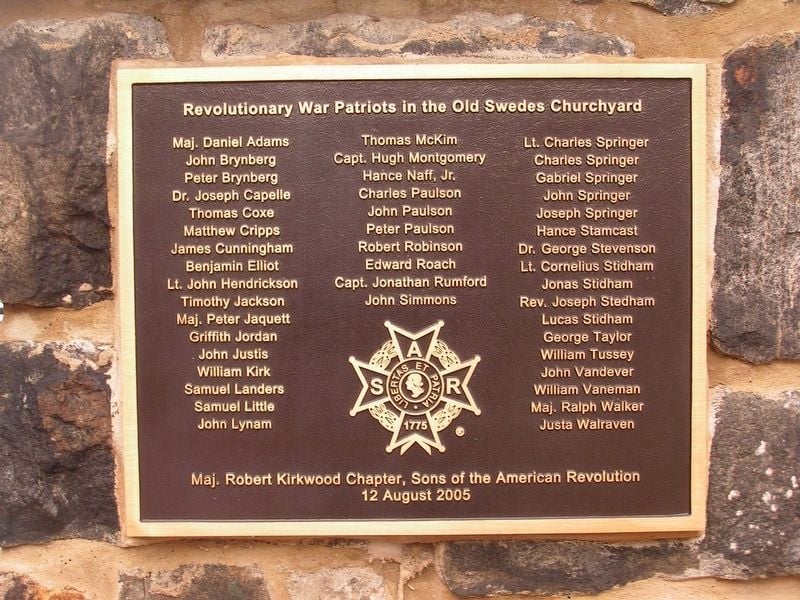
A plaque dedicated by the Kirkwood Chapter, Sons of the American Revolution (SAR) in August 2005 at the Old Swedes Historic Site recognizes the final resting places of 44 local American Revolution patriots
New Castle Court House
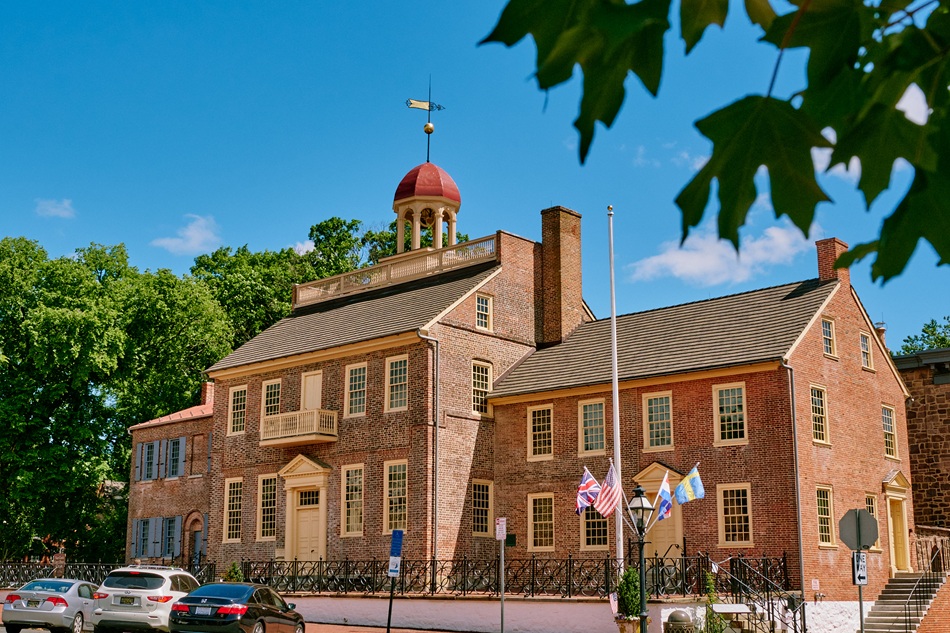
The New Castle Court House served as Delaware's first state capitol and the birthplace of the Delaware State during the Revolutionary War era.
Key Revolutionary Events:
- Separation Resolution (June 15, 1776): The Assembly of the Three Lower Counties met in the New Castle Court House and approved a resolution to cut all ties with both Great Britain and the Penn family of Pennsylvania.
- Declaration Read Aloud (1776): When the Continental Congress issued the Declaration of Independence, it was read to local citizens from the building's second-floor balcony.
- First State Constitution (September 20, 1776): Delegates including George Read, Thomas McKean, and Nicholas Van Dyke drafted and adopted Delaware's first constitution inside the building.
- Relocation of the Capital (1777): Because New Castle was vulnerable to British warships along the Delaware River, the state government moved south to Dover for greater safety
Immanuel Episcopal Church on the Green
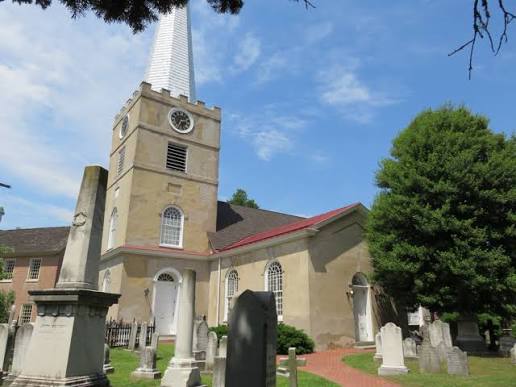
Immanuel on the Green (Episcopal) is an historic church in New Castle, Delaware, and is part of the New Castle Historic District. The church is situated near the center of New Castle at the northeast end of the Green, or town common, making it a prominent local landmark and tourist attraction. Operating continuously since 1689, it is the oldest Anglican parish in Delaware and the oldest continuously operating Anglican/Episcopal parish in the country. The church building was constructed between 1703 and 1708 and enlarged in 1822. The interior and roof were rebuilt following a disastrous fire in 1980.
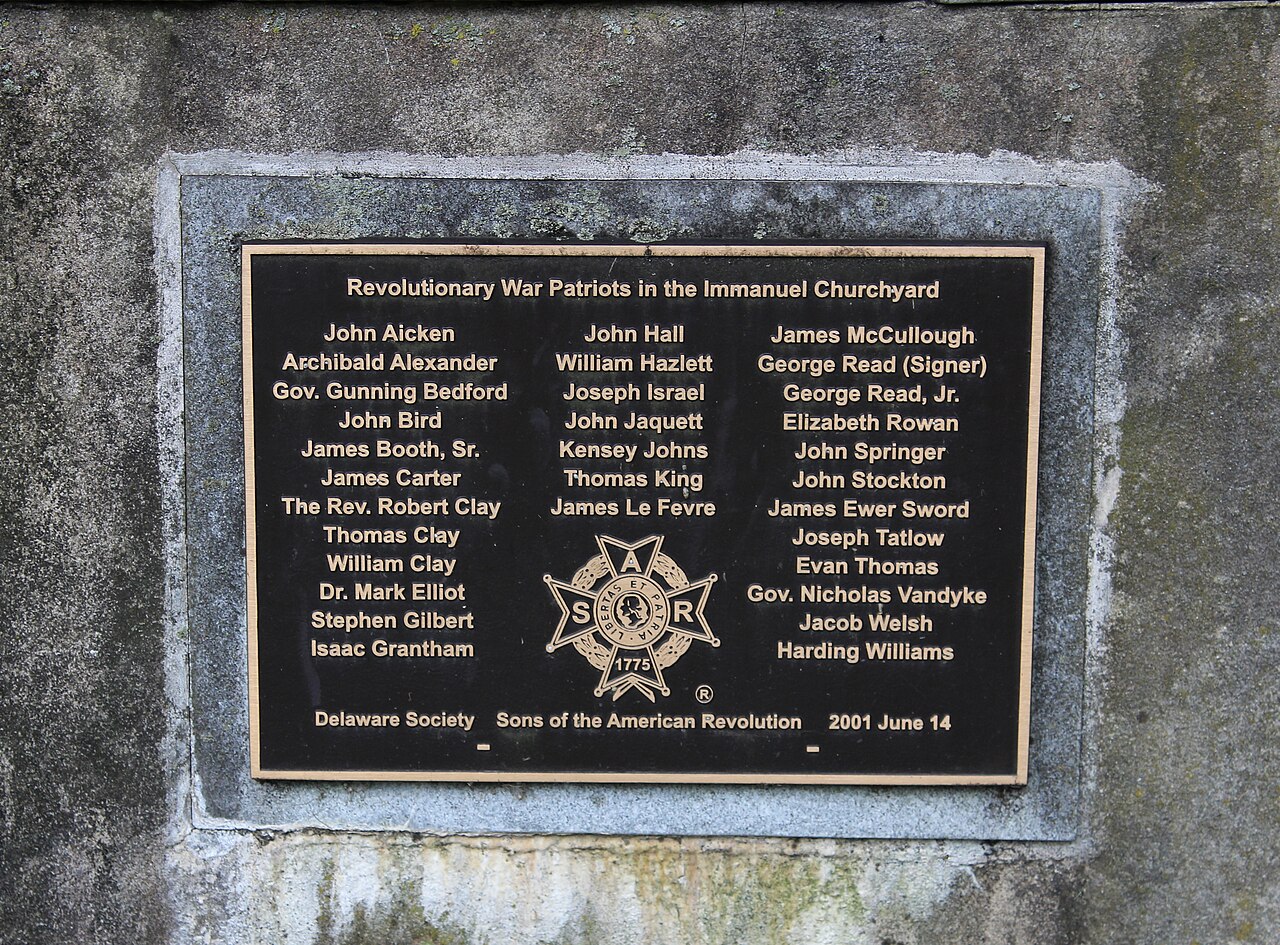
A plaque commemorating the 31 American Revolutionary War Patriots buried in Immanuel Episcopal Churchyard was dedicated by the Delaware Society SAR in 2001. Several notable people are interred in the Immanuel Church cemetery, including:
- Gunning Bedford Sr., Governor of Delaware
- George Read, signer of the Declaration of Independence
- George Read Jr., first U.S. Attorney for Delaware
- Mary Borden McKean, wife of Thomas McKean, a signer of the Declaration of Independence and the Articles of Confederation
The Site of the Grand Opera House
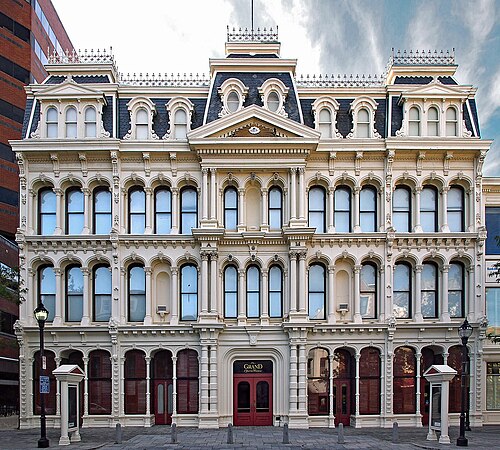
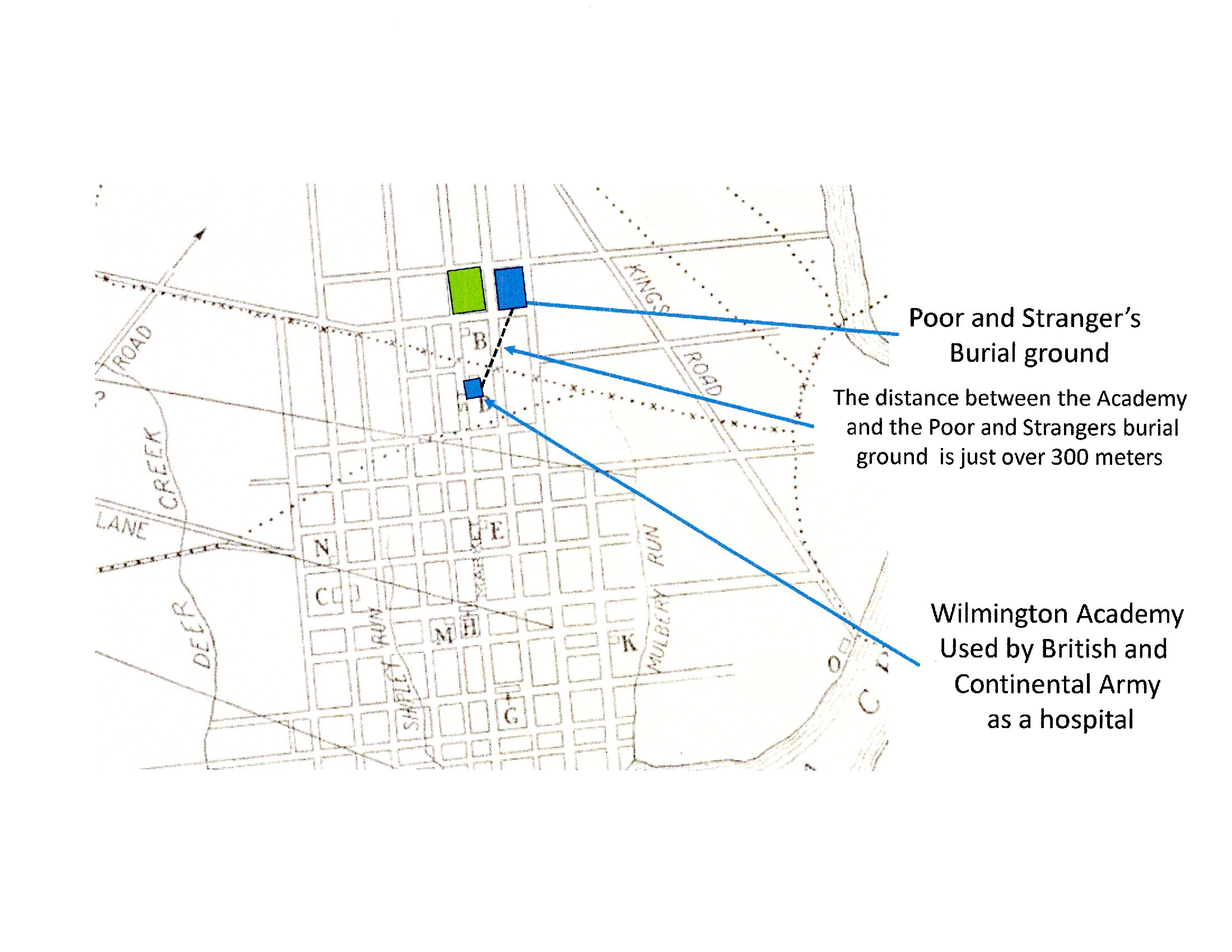
The Grand Opera House was built in 1871 on the site of the former Wilmington Academy, a large school structure. During the Revolutionary War the Wilmington Academy served as a hospital for soldiers of both Armies. The British Army used the site as a hospital for their soldiers for 6 weeks in 1777 after the Battle of the Brandywine. The Continental Army used it in 1781 - 1782 as a hospital for soldiers stricken with smallpox after the Battle of Yorktown.
Continental Encampment Site
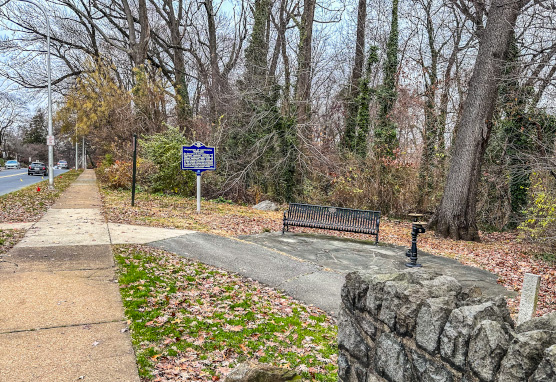
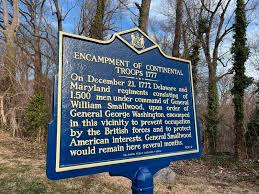
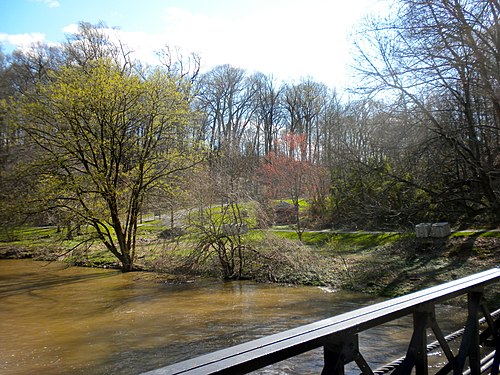
Continental Army Encampment Site is a historic site located at Wilmington, New Castle County, Delaware. The Continental Army troops camped on the east side of Brandywine Creek, which is now a part of Brandywine Park. An early mill race is still visible, on the site, a reminder of the extensive early milling industry on the Brandywine. The Continental Army camped at the site for a few days before the Battle of Brandywine in August 1777. On December 21, 1777, 1,500 Delaware and Maryland troops under the command of General William Smallwood returned to the campsite. These troops were stationed to prevent occupation of Wilmington by the British and to protect the flour mills on the Brandywine.
Wikipedia